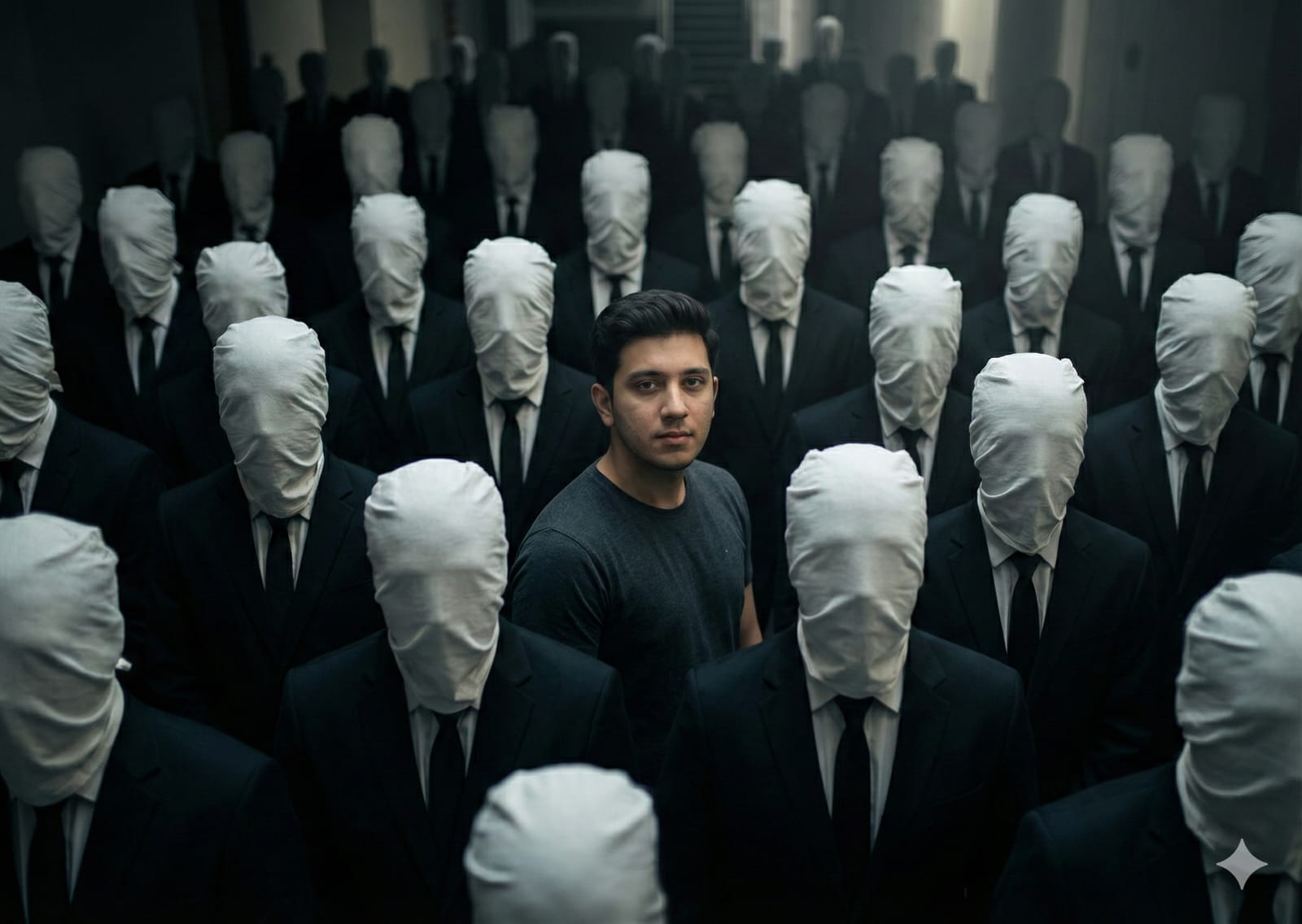
Latest Fantasy & Sci-Fi AI Art Prompts AI Prompts

Showing 1 of 1

About Fantasy & Sci-Fi AI Art Prompts AI Prompts

Looking for Fantasy & Sci-Fi AI Art Prompts AI prompts? This collection brings together ready-to-use prompt ideas focused on this specific visual category. Instead of starting from an empty instruction box, explore detailed concepts and choose a style that matches the image you want to create.

These prompts can be useful for AI image generation, creative photo editing, social media content, digital artwork, photography concepts, and visual experiments. Open an individual prompt to view the complete instructions and copy-paste workflow.

How to Use Fantasy & Sci-Fi AI Art Prompts Prompts

Start by opening a prompt that matches your desired result. Copy the complete instruction and paste it into your compatible AI image tool. If the prompt uses a reference-image workflow, provide the required source image before generating the result.

Why Use Ready-to-Copy AI Prompts?

  • Explore focused Fantasy & Sci-Fi AI Art Prompts image concepts.
  • Copy detailed prompts instead of writing every instruction from scratch.
  • Customize suitable visual details for your own creative project.
  • Discover additional AI image prompt categories and techniques.
  • Open individual prompt pages for the complete copy-paste workflow.

Fantasy & Sci-Fi AI Art Prompts Explore a collection of fantasy and sci-fi AI art prompts for creating epic characters, mythical creatures, futuristic cities, alien planets, magical environments and cinematic concept art. These copy-paste prompts are designed for AI image-generation workflows where imagination, worldbuilding and visual storytelling are just as important as technical image quality. Fantasy and science fiction work particularly well with AI because both genres allow creators to build environments, characters and worlds that do not exist in reality. The strongest prompts go beyond naming a subject and establish scale, environment, atmosphere, lighting, composition and a believable visual world. Current fantasy and sci-fi prompt research repeatedly identifies these elements as important for coherent concept art. What Are Fantasy & Sci-Fi AI Prompts? Fantasy and sci-fi AI prompts are detailed instructions for generating imaginative artwork with AI image-generation tools. A fantasy prompt might describe: Dragons Wizards Elves Ancient kingdoms Magical forests Floating islands Mythical creatures Enchanted cities Fantasy warriors A sci-fi prompt might describe: Alien planets Spaceships Futuristic cities Astronauts Robots Cyberpunk streets Space stations Advanced technology Post-apocalyptic worlds The strongest prompts combine the main subject with a believable environment and a clear visual story. How to Write Better Fantasy AI Prompts A good fantasy prompt should establish more than a creature or character. Use: Subject + Environment + Worldbuilding + Scale + Lighting + Atmosphere + Composition + Visual Style For example, instead of asking for: A dragon in a fantasy world. Describe the dragon's location, the surrounding architecture or landscape, atmospheric conditions, relative scale, lighting and the story implied by the composition. Current fantasy prompt collections emphasize combining a clear subject with an environment, mood and lighting rather than relying on generic fantasy keywords. How to Write Better Sci-Fi AI Prompts Sci-fi images become more convincing when the technology appears to belong to a coherent world. Consider defining: Technology level Architecture Transportation Clothing Materials Energy sources Environmental conditions Scale Lighting Atmosphere A futuristic city becomes more believable when its buildings, vehicles, infrastructure and inhabitants appear to follow the same technological and cultural logic. Fantasy Worldbuilding Prompts Fantasy worldbuilding prompts are designed to create environments that feel like parts of a larger fictional civilization. Useful concepts include: Ancient kingdoms Floating cities Underground civilizations Magical forests Desert empires Mountain fortresses Ocean kingdoms Lost temples Enchanted villages Ruined civilizations The key is internal consistency. Architecture, clothing, weapons, creatures, vegetation and lighting should feel as though they belong to the same world. Current worldbuilding research specifically emphasizes internal logic and consistency as a major difference between coherent concept art and a random collection of fantasy objects. Sci-Fi Worldbuilding Prompts Sci-fi worldbuilding can include: Megacities Space colonies Orbital stations Alien civilizations Terraforming facilities Lunar settlements Underwater cities Post-human societies Desert planets Interstellar civilizations Instead of adding random futuristic objects, establish what the civilization actually looks like and how its technology affects the environment. Fantasy Character Prompts Fantasy character prompts can create: Knights Wizards Mages Elves Rangers Rogues Warriors Royal characters Mythical heroes Villains Describe the character's silhouette, clothing, equipment, expression, pose, environment and personality. A strong character prompt should make the character recognizable even before the viewer sees the detailed rendering. Sci-Fi Character Prompts Sci-fi characters can include: Astronauts Space explorers Cybernetic soldiers Androids Engineers Alien diplomats Space pirates Futuristic warriors Cyberpunk characters Useful details include suit materials, technology, accessories, lighting and environmental context. Fantasy Creature Prompts Fantasy creature prompts can generate: Dragons Griffins Phoenixes Unicorns Giants Sea monsters Elemental creatures Magical animals Original mythical species For original creatures, define anatomy, materials, scale, habitat and behavior instead of combining random animal features. Dragon AI Prompts Dragons remain one of the strongest fantasy-image concepts. A detailed dragon prompt can define: Species Size Scale texture Wing structure Horns Eyes Environment Pose Lighting Atmospheric conditions For epic scenes, include a small human or architectural element to establish scale. Current fantasy prompt libraries frequently use dragons alongside castles, ruined cities, forests and cinematic environments. Alien World Prompts Alien environments can include: Strange vegetation Multiple moons Crystalline formations Floating rocks Alien oceans Desert planets Bioluminescent ecosystems Giant structures Unusual atmospheric conditions The environment should have an identifiable visual logic. A good alien planet is more interesting when its terrain, atmosphere, vegetation and inhabitants appear connected. Cyberpunk AI Prompts Cyberpunk prompts can explore: Neon city streets Holographic advertisements Rain-soaked roads Futuristic markets Cybernetic characters Underground clubs Megacorporate architecture Flying vehicles Useful visual elements include neon reflections, wet surfaces, atmospheric fog, dense architecture and contrasting artificial light. Current fantasy/sci-fi prompt collections repeatedly use cyberpunk cities, neon lighting, rain and futuristic infrastructure as strong visual combinations. Steampunk AI Prompts Steampunk combines historical aesthetics with advanced mechanical technology. Popular concepts include: Brass airships Mechanical cities Victorian laboratories Clockwork machines Steam-powered vehicles Inventors Industrial fantasy worlds Specify the materials and engineering language so the scene feels coherent. Futuristic City Prompts Futuristic cities can range from clean utopian megacities to dark cyberpunk environments. Describe: Architecture Transportation Street level Skyline Technology Public spaces Lighting Weather Population density A city becomes much more visually interesting when the prompt shows how people actually live within it. Cinematic Fantasy Prompts Cinematic fantasy prompts focus on storytelling. Useful techniques include: Wide establishing shots Tiny characters against huge environments Foreground elements Atmospheric perspective Dramatic backlighting Volumetric light Mist Strong silhouettes Environmental storytelling Current fantasy prompt research specifically emphasizes scale cues, atmospheric perspective and lighting for creating cinematic concept-art depth. Cinematic Sci-Fi Prompts Cinematic sci-fi scenes can use: Massive environments Wide-angle perspectives Strong foreground/background separation Volumetric fog Neon or practical lighting Reflections Atmospheric haze Dramatic silhouettes A small astronaut standing beside an enormous alien structure is often more visually powerful than filling the entire frame with objects. Dark Fantasy AI Prompts Dark fantasy can explore: Ancient ruins Cursed kingdoms Haunted forests Fallen warriors Dark magic Stormy castles Forbidden temples Use atmosphere and environmental storytelling rather than simply adding β€œdark” repeatedly. Fantasy Landscape Prompts Fantasy landscapes can include: Floating mountains Magical forests Crystal valleys Giant waterfalls Ancient ruins Enchanted oceans Celestial landscapes Describe foreground, middle ground and distant background to create stronger spatial depth. Sci-Fi Environment Prompts Sci-fi environments can include: Spaceship interiors Alien laboratories Orbital stations Terraforming facilities Futuristic factories Lunar bases Underground cities Technical details such as materials, lighting systems, structural design and signs of human use can make the environment feel lived-in. Fantasy & Sci-Fi Concept Art Concept art is different from a simple decorative image. Its purpose is to communicate a world, character, environment or design idea clearly. Useful concept-art subjects include: Character sheets Creature concepts Environment designs Vehicles Weapons Architecture Props Factions Cities Worlds Current fantasy and sci-fi prompt resources specifically position these genres as strong applications for concept art and worldbuilding. Fantasy & Sci-Fi AI Prompts for Game Design Game developers and designers can use AI prompts to explore: Character concepts Enemy designs NPCs Weapons Armor Vehicles Environments Buildings Game worlds Props For game concept work, consistency is particularly important. Characters, architecture and props should share the same visual language. Fantasy & Sci-Fi Prompts for Storytelling AI-generated fantasy and sci-fi scenes can also visualize stories. Instead of generating isolated images, create a sequence: Establishing Scene β†’ Character Introduction β†’ Conflict β†’ Action β†’ Resolution Keep important character and world details consistent across each prompt. This approach can help turn a prompt collection into a visual storytelling workflow. How to Create Epic Fantasy & Sci-Fi Images A practical formula is: 1. Choose the subject. Decide whether the focal point is a character, creature, vehicle, structure or environment. 2. Establish the world. Define where the scene takes place and what civilization or ecosystem surrounds it. 3. Establish scale. Use architecture, people, vehicles or distant objects to communicate size. 4. Define atmosphere. Fog, dust, rain, smoke, mist, particles or atmospheric haze can add depth. 5. Define lighting. Choose a believable light source and direction. 6. Define composition. Specify close-up, medium shot, wide establishing shot, low angle or another useful viewpoint. 7. Add visual style. Choose concept art, cinematic illustration, painterly realism, graphic novel, dark fantasy or another coherent direction. Current AI image guidance similarly recommends describing the world rather than only the subject and using atmosphere, scale and color to create visual storytelling. Gemini Fantasy & Sci-Fi Prompts These fantasy and sci-fi concepts can be adapted for Gemini image-generation workflows. Useful Gemini themes include: Fantasy characters Dragons Magical landscapes Alien planets Futuristic cities Cyberpunk scenes Sci-fi characters Concept art ChatGPT Fantasy & Sci-Fi Prompts ChatGPT image workflows can also be used for: Fantasy character concepts Sci-fi environments Creature design Futuristic cities Cinematic scenes Magical worlds Alien landscapes Focus on specific visual instructions instead of generic quality terms. Nano Banana Fantasy & Sci-Fi Prompts Nano Banana workflows can be useful for transforming reference images into fantasy or sci-fi concepts. For example: Real portrait β†’ fantasy warrior Real portrait β†’ futuristic astronaut Photo β†’ cyberpunk character Landscape β†’ alien planet Building β†’ fantasy castle Vehicle β†’ futuristic spacecraft When using reference images, clearly define which characteristics should remain consistent and which elements should change. Frequently Asked Questions What are fantasy AI prompts? Fantasy AI prompts are detailed instructions for creating magical characters, creatures, environments and fictional worlds using AI image-generation tools. What are sci-fi AI prompts? Sci-fi AI prompts are instructions for generating futuristic characters, technology, cities, spacecraft, alien environments and science-fiction concept art. What makes a good fantasy AI prompt? A strong fantasy prompt combines a clear subject with a believable environment, scale, atmosphere, lighting, composition and coherent worldbuilding. What makes a good sci-fi AI prompt? A strong sci-fi prompt establishes the technology, environment, architecture, materials, lighting and visual logic of the fictional world. Can AI create fantasy characters? Yes. AI image generators can create fantasy characters such as knights, wizards, elves, warriors, mages and original creatures when the prompt provides detailed visual direction. Can AI create sci-fi worlds? Yes. AI can generate futuristic cities, alien planets, space stations, spacecraft interiors and other science-fiction environments. Can I use these prompts with Gemini? Yes. Fantasy and sci-fi prompts can be adapted for Gemini image-generation workflows. Can I use these prompts with ChatGPT? Yes. These concepts can be adapted for ChatGPT image-generation workflows. Can I use Nano Banana for fantasy and sci-fi edits? Yes. Reference-image workflows can transform existing photographs and images into fantasy or sci-fi concepts when the workflow supports image editing. How do I make fantasy AI art look cinematic? Use clear scale cues, foreground and background layers, atmospheric depth, directional lighting and a deliberate composition instead of relying only on words such as β€œepic” or β€œcinematic.”

Frequently Asked Questions About Fantasy & Sci-Fi AI Art Prompts AI Prompts

What are fantasy AI prompts?

Fantasy AI prompts are detailed instructions for creating magical characters, creatures, environments and fictional worlds using AI image-generation tools.

What are sci-fi AI prompts?

Sci-fi AI prompts are instructions for generating futuristic characters, technology, cities, spacecraft, alien environments and science-fiction concept art.

What makes a good fantasy AI prompt?

A strong fantasy prompt combines a clear subject with a believable environment, scale, atmosphere, lighting, composition and coherent worldbuilding.

What makes a good sci-fi AI prompt?

A strong sci-fi prompt establishes the technology, environment, architecture, materials, lighting and visual logic of the fictional world.

Can AI create fantasy characters?

Yes. AI image generators can create fantasy characters such as knights, wizards, elves, warriors, mages and original creatures when the prompt provides detailed visual direction.

Can AI create sci-fi worlds?

Yes. AI can generate futuristic cities, alien planets, space stations, spacecraft interiors and other science-fiction environments.

Can I use these prompts with Gemini?

Yes. Fantasy and sci-fi prompts can be adapted for Gemini image-generation workflows.

Can I use these prompts with ChatGPT?

Yes. These concepts can be adapted for ChatGPT image-generation workflows.

Latest AI Prompt Articles

View All Articles β†’